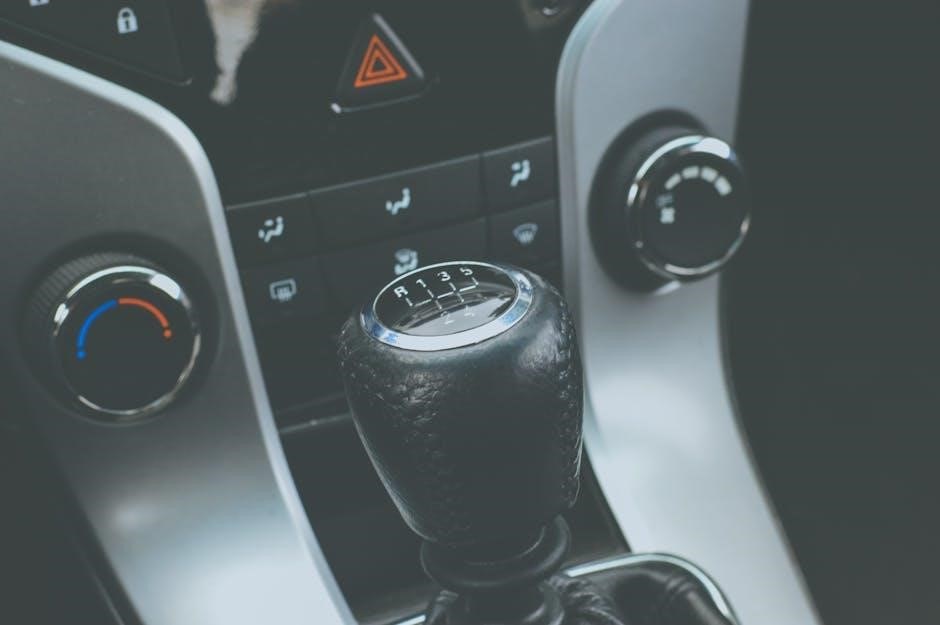
Understanding Manual Transmission Starters
Manual transmission starters rely on the engine’s internal combustion process‚ initiated by rotating the crankshaft—a key difference from automatic systems.
Unlike automatics‚ manuals can utilize momentum‚ achieved through pushing or downhill rolling‚ to engage the engine and bypass the electric starter.
The flywheel plays a crucial role‚ storing rotational energy and allowing the engine to overcome initial resistance when push-started‚ facilitating combustion.
What is a Manual Transmission Starter?
A manual transmission starter isn’t a distinct component‚ but rather the system leveraging the engine’s mechanics for ignition. Traditionally‚ it’s the process of using the key to engage the starter motor‚ which then turns the engine; However‚ a unique aspect of manual cars is their ability to be started without this electric motor‚ relying instead on kinetic energy.
This is achieved by utilizing the connection between the wheels‚ transmission‚ and crankshaft. When the car is in motion‚ the rotating wheels turn the transmission‚ which in turn rotates the crankshaft. If done correctly – with the clutch engaged – this rotation can initiate the combustion cycle‚ effectively “starting” the engine. This contrasts sharply with automatic transmissions‚ where this direct mechanical link isn’t readily available.
Essentially‚ the manual transmission allows the engine to act as an air pump‚ and sufficient speed creates the necessary compression for ignition.
Why Manual Cars Can Be Push Started
Manual cars are uniquely capable of being push-started due to their direct mechanical linkage between the engine‚ transmission‚ and wheels. Unlike automatics‚ which rely on a torque converter‚ manuals transmit rotational force directly. This allows external momentum – from pushing or rolling downhill – to turn the engine’s crankshaft.
When the car gains sufficient speed‚ the rotating wheels drive the transmission‚ bypassing the need for the electric starter motor. The key is coordinating clutch engagement to transfer this rotational energy and initiate the combustion process. This wouldn’t work in an automatic‚ as the torque converter doesn’t provide the same direct mechanical connection.
Essentially‚ the manual transmission acts as a conduit for external force to start the engine.
The Role of the Flywheel
The flywheel is a critical component in enabling manual transmission starters‚ acting as a rotational energy reservoir. Connected directly to the engine’s crankshaft‚ it stores kinetic energy generated during normal engine operation. This stored energy is vital when initiating a start‚ particularly during push-starting or roll-starting.
When external force turns the crankshaft – through pushing or downhill momentum – the flywheel’s inertia helps overcome the engine’s initial resistance. It smooths out the power delivery‚ ensuring consistent rotation necessary for combustion. Without a flywheel‚ starting would be significantly harder‚ requiring much greater initial speed.
The flywheel essentially ‘fills in the gaps’ in power delivery‚ making the starting process feasible.
Methods of Starting a Manual Transmission Car
Starting a manual car involves traditional key ignition‚ push-starting utilizing momentum‚ or roll-starting on inclines‚ each relying on clutch and gear coordination.
Traditional Key Start Procedure
The conventional key start for a manual transmission vehicle remains the most common method; Ensure the parking brake is firmly engaged‚ preventing unwanted movement. Fully depress the clutch pedal; this disengages the engine from the transmission‚ allowing for easier starting.
Shift the gear lever into neutral – a critical step to avoid lurching forward when the engine ignites. Insert the key into the ignition and turn it to the ‘start’ position‚ holding it until the engine catches.
Once the engine is running smoothly‚ release the key‚ allowing it to return to the ‘on’ position. Gradually release the clutch pedal while gently applying pressure to the accelerator. Modern cars often feature a clutch pedal safety switch‚ preventing starting unless the clutch is depressed.
Push Starting: A Detailed Guide
Push starting a manual car requires coordination and caution. First‚ ensure the ignition is in the ‘on’ position‚ allowing electrical systems to function. Depress the clutch and shift into second gear – this provides a suitable gear ratio for building momentum.
With the parking brake disengaged‚ have assistants push the vehicle to a speed of approximately 5-10 mph. Quickly release the clutch while simultaneously applying a small amount of throttle. The goal is to ‘mesh’ the engine with the drivetrain.
If successful‚ the engine will fire up; immediately re-depress the clutch to prevent stalling. Remember‚ this method is inherently risky and should only be used in emergencies.
Safety Precautions for Push Starting
Push starting demands strict adherence to safety protocols. Choose a level‚ straight road free from traffic and obstructions. Ensure sufficient space for the pushing team and a safe run-up. Communicate clearly with those assisting‚ establishing hand signals for coordination.
The driver must maintain firm control of the steering wheel and be prepared to brake immediately if needed. Never attempt this on a steep incline or in heavy traffic. Be aware of pedestrians and surrounding vehicles.
Holding the brakes and transmission pedals simultaneously is crucial before initiating the push. Prioritize safety above all else; if unsure‚ seek professional assistance.
Optimal Speed for Push Starting
Achieving the optimal speed is critical for successful push starting. Generally‚ a speed between 5-10 mph (8-16 km/h) is recommended‚ though this can vary based on vehicle weight and road conditions. Too slow‚ and the engine won’t generate enough momentum to fire; too fast‚ and control becomes dangerously compromised.
The goal is to reach a velocity where the rotating wheels can effectively turn the engine’s crankshaft via the transmission. This requires a coordinated push‚ building speed gradually.
Experienced drivers often gauge speed by feel‚ recognizing the point where clutch engagement will likely initiate the engine. Prioritize controlled momentum over sheer velocity.
Gear Selection for Push Starting
Gear selection is paramount for a successful push start. Typically‚ second gear is the most effective choice‚ offering a balance between torque and rotational speed. First gear can provide more torque but may require excessive speed‚ increasing risk. Higher gears generally lack sufficient torque for engine initiation.
Selecting the correct gear ensures the wheels turn the engine at an appropriate rate when the clutch is released. The chosen gear must align with the vehicle’s momentum and the engine’s compression ratio.
Avoid using a gear that causes the engine to “lug” or stall upon clutch engagement. Proper gear choice maximizes the chances of a smooth and successful start.
Roll Starting on a Hill
Roll starting leverages gravity to generate the necessary momentum‚ simplifying the process compared to flat-ground push starting. A moderate incline is ideal‚ providing sufficient speed without excessive effort or risk. Ensure the hill is straight and clear of obstacles and traffic.
The driver should steer the vehicle to allow it to gently roll forward. Simultaneously‚ the clutch and brake pedals should be depressed‚ preparing for engagement. This method minimizes the physical exertion needed for a successful start.
Careful coordination of steering‚ braking‚ and clutch control is vital for a safe and effective roll start on a hill.
Utilizing Gravity for Momentum
Gravity provides the initial kinetic energy needed to circumvent the electric starter‚ making roll starting on a hill significantly easier. The steeper the incline‚ the less pushing or rolling distance is required to achieve the necessary speed for engine engagement.
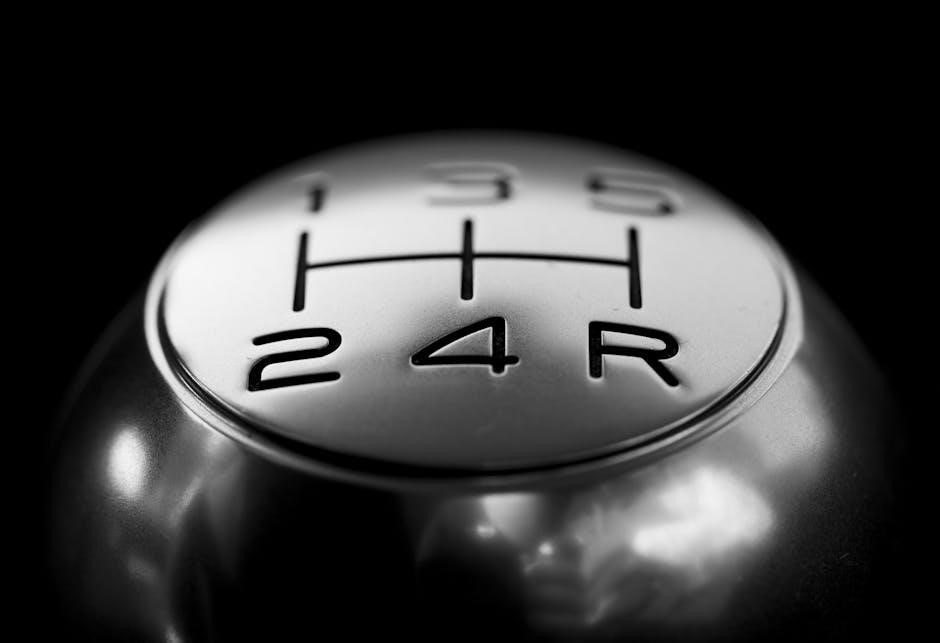
However‚ excessive steepness can make control difficult. A moderate slope allows for a manageable roll‚ providing enough momentum without overwhelming the driver’s ability to coordinate clutch release and throttle application.
Effectively harnessing gravity minimizes physical effort and increases the likelihood of a successful start‚ especially for those less familiar with manual transmission techniques.
Clutch Control During Roll Starting
Precise clutch control is paramount during roll starting. As the vehicle gains momentum‚ gently depress the clutch pedal to disengage the engine from the transmission‚ preparing for re-engagement.
The key is a smooth‚ controlled release of the clutch while simultaneously applying a small amount of throttle. Releasing the clutch too quickly can stall the engine‚ while releasing it too slowly will waste momentum.
Finding the “friction point” – where the clutch begins to engage – is crucial. This allows the engine speed to synchronize with the transmission speed‚ initiating the combustion process and starting the engine.
Steering and Brake Coordination
Maintaining control during a roll start demands seamless steering and brake coordination. Keep the steering wheel relatively straight to prevent unwanted vehicle direction changes as momentum builds.
The brakes are essential for modulating speed‚ particularly on inclines. Apply them lightly to control the descent and ensure the vehicle doesn’t accelerate excessively before clutch engagement.
Be prepared to quickly react to any unexpected situations. A firm grip on the steering wheel and readily accessible brakes are vital for safety‚ especially in traffic or uneven terrain.
Remember‚ a controlled roll start prioritizes safety alongside successful engine ignition.
Modern Manual Transmission Considerations
Modern manuals often feature safety switches—like the clutch pedal switch—preventing starting without clutch engagement‚ and immobilizer systems add complexity.
These systems enhance security but can hinder traditional push-starting methods‚ requiring specific override procedures or rendering them impossible.
Clutch Pedal Safety Switch
The clutch pedal safety switch is a vital component in modern manual transmission vehicles‚ designed primarily as a safety feature. It prevents the engine from starting unless the clutch pedal is fully depressed. This mechanism safeguards against unintended vehicle movement during startup‚ reducing the risk of accidental lurching or rolling‚ especially on inclines.
Essentially‚ the switch completes an electrical circuit‚ allowing the starter motor to engage only when the clutch is pressed. Reddit discussions highlight that modern cars often won’t start at all if this switch isn’t engaged. This is a significant change from older vehicles.
However‚ this switch can also present a challenge when attempting to push-start a car‚ as it requires constant clutch depression‚ even before sufficient speed is achieved. A faulty switch can also prevent a normal start‚ leading to troubleshooting and potential replacement.
Neutral Safety Switch
The neutral safety switch is another crucial safety mechanism found in manual transmission vehicles‚ working in conjunction with the clutch pedal safety switch. Its primary function is to prevent the engine from starting unless the transmission is in either neutral or park (though park isn’t applicable to most manuals). This prevents accidental vehicle movement when the ignition is turned on.
Like the clutch switch‚ it operates by completing or interrupting an electrical circuit. If the transmission isn’t in a safe position‚ the circuit remains open‚ preventing the starter from engaging. This is a standard safety protocol in modern automobiles.
While less directly involved in push-starting than the clutch switch‚ ensuring the car is in neutral is paramount. A malfunctioning neutral safety switch can also hinder normal starting procedures‚ requiring diagnosis and repair.
Immobilizer Systems and Starting
Immobilizer systems represent a significant advancement in vehicle security‚ impacting how manual transmission cars start. These systems utilize a transponder chip embedded in the key‚ communicating with the car’s computer to verify its authenticity before allowing the engine to run. Without proper authorization‚ the starter is electronically disabled‚ even if the key physically turns.
Modern manual cars almost universally incorporate immobilizers‚ adding a layer of complexity to starting‚ especially in non-standard situations. Push-starting a vehicle with an active immobilizer is generally impossible without the correct key present and recognized by the system.
Bypassing an immobilizer is illegal and extremely difficult‚ designed to deter theft. Any attempt to do so could cause significant damage to the vehicle’s electronic control unit.
Troubleshooting Starting Issues
Common problems include a weak battery‚ a faulty starter motor‚ or issues within the ignition system—all hindering a manual car’s ability to start reliably.
Diagnosing these issues requires checking connections‚ testing components‚ and potentially replacing worn or damaged parts to restore starting functionality.
Addressing these concerns ensures a manual transmission vehicle starts smoothly and avoids frustrating roadside situations;
Battery Problems and Manual Start
A weakened battery is a frequent culprit when a manual transmission car struggles to start‚ even with a functional starter motor. While a manual doesn’t require battery power to turn the engine like an automatic‚ the battery is essential for powering the ignition and starter solenoid.
Insufficient voltage can prevent the starter from engaging the flywheel effectively‚ resulting in a clicking sound or no response at all. Push-starting can bypass a failing starter‚ but a severely depleted battery might still hinder ignition.
Testing the battery’s voltage with a multimeter is crucial; a healthy battery should read around 12.6 volts. Jump-starting can provide temporary relief‚ but a battery that consistently fails to hold a charge needs replacement. Remember‚ even with a manual‚ a dead battery equals a starting headache!
Starter Motor Failure
Starter motor failure‚ though bypassed by push-starting in a manual transmission vehicle‚ signifies a significant mechanical issue. The starter’s role is to physically crank the engine‚ engaging the flywheel to initiate combustion. When it fails‚ a clicking sound‚ grinding noise‚ or complete silence often occurs.
Worn brushes‚ a faulty solenoid‚ or internal damage can all contribute to starter motor malfunction. Repeated push-starts aren’t a long-term solution; they merely address the symptom‚ not the root cause.
Diagnosis typically involves testing the starter with a direct power source. Replacement is often necessary‚ and ignoring the problem can lead to further damage. A failing starter indicates a need for professional repair‚ even in a readily push-startable manual car.
Ignition System Issues
Ignition system problems can mimic starter failure‚ preventing a manual transmission car from starting despite a functional starter motor. These issues disrupt the spark needed for combustion‚ halting the engine’s ability to run‚ even when mechanically cranked.
Faulty spark plugs‚ a failing ignition coil‚ or a defective distributor (in older vehicles) are common culprits. A weak battery can also contribute‚ providing insufficient voltage for a strong spark. While a manual can be push-started‚ addressing the ignition issue is crucial.
Diagnostic tools‚ like a spark tester‚ help pinpoint the source of the problem. Repairing or replacing faulty components restores the ignition system‚ ensuring reliable starting and optimal engine performance.
Advanced Techniques & Considerations
Handbrake use can build initial momentum‚ while careful clutch control minimizes wear during starts. Gear ratios significantly impact starting success and smoothness.
Using the Handbrake to Gain Momentum
Employing the handbrake is an advanced technique for initiating movement when push-starting a manual transmission vehicle‚ particularly on slight inclines or level ground. The process involves partially engaging the handbrake while in first gear‚ then gently revving the engine.
As engine RPMs build‚ slowly release the handbrake‚ allowing the wheels to begin turning. This creates a controlled transfer of power‚ building rotational momentum within the drivetrain. It’s crucial to coordinate this release with a smooth and progressive clutch engagement to avoid stalling or jerky movements.
However‚ improper execution can lead to excessive clutch wear. Experienced drivers utilize this method to supplement insufficient pushing force or to gain an initial roll when a hill isn’t readily available. Mastering this technique requires practice and a thorough understanding of clutch control.
Avoiding Clutch Wear During Starting
Minimizing clutch wear is paramount when starting a manual transmission car‚ especially during push-starting or roll-starting maneuvers. Abrupt clutch releases and excessive slippage generate significant heat and friction‚ accelerating wear on the clutch disc and pressure plate.
The key is a smooth‚ controlled engagement. Avoid “dumping” the clutch; instead‚ gradually release it while simultaneously applying a small amount of throttle. This allows the engine and transmission speeds to synchronize‚ reducing the strain on the clutch.
Reving the engine excessively before clutch engagement is detrimental‚ as it only intensifies the slippage. Proper gear selection and a gentle touch are essential for preserving clutch life and ensuring a reliable start.
The Importance of Proper Gear Ratios
Selecting the correct gear ratio is critical for successful manual transmission starting‚ particularly when push-starting or roll-starting. Lower gears (first or second) provide the necessary torque multiplication to overcome the engine’s initial resistance and achieve a sustainable RPM.
A higher gear will require significantly more speed to initiate engine rotation‚ potentially making the process impossible or dangerously fast. The ideal ratio balances engine speed with wheel speed‚ ensuring efficient power transfer.
Consider the vehicle’s weight and the incline of the surface; steeper hills necessitate lower gears. Improper gear selection can lead to stalling‚ clutch slippage‚ and increased wear‚ highlighting the importance of understanding your car’s transmission.
Comparing Manual vs; Automatic Starting
Manuals leverage a direct mechanical link for push-starts‚ while automatics rely on torque converters‚ making push-starting significantly harder and riskier.
The lack of a direct connection in automatics requires much higher speeds‚ posing safety concerns due to compromised steering and braking.
Why Push Starting is Difficult in Automatics
Push-starting an automatic transmission vehicle presents substantial challenges compared to a manual‚ primarily due to the fundamental differences in their power transfer systems. Unlike a manual’s direct mechanical connection between the engine and wheels‚ automatics utilize a torque converter.
This converter relies on fluid dynamics to transmit power‚ requiring a significantly higher rotational speed to create sufficient force for engine ignition. Achieving this speed safely is incredibly difficult and dangerous‚ often necessitating a steep hill and considerable velocity.
Furthermore‚ without engine power‚ automatic transmissions lack power steering and power brakes‚ making vehicle control precarious at these higher speeds. The risk of losing steering control or failing to stop effectively dramatically increases‚ rendering the process exceptionally hazardous and generally unadvisable.
Essentially‚ the automatic’s design isn’t geared towards utilizing external momentum for starting.
The Role of Torque Converters
Torque converters are central to automatic transmission operation‚ acting as a fluid coupling between the engine and the transmission. They transmit engine power to the wheels‚ but unlike the direct mechanical link in manuals‚ they don’t provide a solid connection when the engine isn’t running.
This fluid coupling necessitates a certain engine speed to create sufficient hydraulic pressure and ‘lock up’ the converter‚ effectively transferring power. Without this engine-driven pressure‚ the converter simply spins freely‚ offering no means to turn the engine over.
Consequently‚ achieving the necessary rotational velocity through push-starting alone is extremely difficult and dangerous‚ requiring significantly higher speeds than a manual transmission. The converter’s inherent slip also reduces efficiency‚ making it harder to reach the ignition threshold.
It’s a key reason why automatic cars are hard to push start.
Safety Concerns with Automatic Push Starts
Push-starting an automatic presents substantial safety risks due to the higher speeds required to overcome the torque converter’s limitations. Reaching these velocities‚ often on inclines‚ dramatically increases the chance of losing control.
Without engine power‚ power steering and braking systems are inoperable‚ severely hindering maneuverability and stopping ability. This creates a dangerous situation‚ especially in traffic or on winding roads.
The potential for collisions with other vehicles or obstacles is significantly elevated‚ and the lack of engine braking further complicates speed control. Furthermore‚ the sudden engagement of the transmission can cause a violent jerk‚ potentially leading to injury.
Due to these dangers‚ attempting to push-start an automatic vehicle is strongly discouraged and often illegal.
Historical Context of Manual Starters
Early cars often required hand-cranking‚ a physically demanding process. Later‚ electric starters emerged‚ revolutionizing vehicle operation and increasing driver convenience.
The shift to electric starters in the 20th century dramatically improved safety and accessibility‚ phasing out the arduous manual cranking methods.
Evolution of starter technology reflects automotive advancements‚ prioritizing ease of use and reliable engine ignition.
Early Manual Starting Mechanisms
Before electric starters‚ automobiles relied entirely on manual methods to initiate the combustion process. The most common‚ and physically demanding‚ was the hand crank. This involved inserting a crank handle into the front of the vehicle and manually rotating the engine to build enough momentum for ignition.
This process was notoriously dangerous; engine backfires could violently throw the crank handle‚ causing serious injury. Early automobiles also experimented with other methods‚ including compressed air systems and even small‚ single-cylinder engines used solely for starting the main engine.
These alternative mechanisms were often complex‚ unreliable‚ and expensive. The hand crank remained dominant for many years‚ representing a significant barrier to entry for many potential car owners due to the physical strength and skill required to operate it safely and effectively.
Evolution of Starter Technology
The development of the electric starter motor in the early 20th century revolutionized automobile operation‚ swiftly replacing dangerous and strenuous manual methods. Charles Kettering’s 1911 Cadillac‚ featuring the first commercially successful electric starter‚ marked a pivotal moment.
This innovation utilized a small electric motor geared to the engine’s flywheel‚ providing a safe and reliable means of initiating combustion with the turn of a key. Subsequent advancements focused on increasing starter motor power‚ reducing size‚ and improving reliability.
Over time‚ starter designs incorporated features like solenoid switches for automatic engagement and disengagement‚ and more robust gear systems. Modern starters are often integrated with sophisticated engine management systems‚ ensuring smooth and efficient starting in various conditions‚ a far cry from the hand crank era.
The Shift to Electric Starters
Prior to the widespread adoption of electric starters‚ manual transmission vehicles relied on physically cranking the engine via a hand crank inserted into the front of the vehicle. This was a physically demanding and often dangerous process‚ prone to kickback injuries.
The introduction of the electric starter‚ pioneered by Cadillac in 1912‚ dramatically simplified starting. This transition wasn’t immediate; early electric starters were expensive and required robust electrical systems.
However‚ as automotive production increased and electrical technology matured‚ electric starters became standard equipment. The convenience and safety they offered quickly outweighed the initial cost‚ effectively ending the era of hand-cranked engines and ushering in a new age of automotive accessibility and ease of use for manual transmission cars.